



Black History Month 2026

Black History Month dates back to 1926 when Dr. Carter G. Woodson first founded a week to draw attention to the largely overlooked Black contributions in American history. Today Black History Month continues to highlight and celebrate these contributions, and the Association for the Study of African American Life and History sets an annual theme. The 2026 theme — recognizing the 100th anniversary of the event — is A Century of Black History Commemorations.
Mamie Phipps Clark: A trailblazing career in both research and practice

The work of psychologist Dr. Mamie Phipps Clark (1917–1983) not only advanced our understanding of young children’s perceptions of self, but also illuminated how a society’s views of race are absorbed at a very early age. In addition, Clark pioneered a holistic approach to early childhood care and education, viewing a child’s mental health needs as part of that child’s broader academic and social development.
Clark, the first African American woman to earn a PhD from Columbia University, conceived of, and with her husband, fellow psychologist Dr. Kenneth B. Clark, developed what became known as the “Doll Study,” where young Black children were presented with plastic baby dolls that were identical except for color. The children were asked questions to determine racial perception and preference, and a majority expressed preferences for and ascribed more positive characteristics to the white dolls. Concluding that “prejudice, discrimination and segregation” caused Black children to develop a sense of inferiority, the study was cited in the U.S. Supreme Court’s 1954 decision in Brown v. Board of Education that ended legal segregation in public schools.
Dr. Mamie Phipps Clark’s career also directly engaged community practice. In 1946, Clark established what became the Northside Center for Child Development in the Harlem neighborhood in New York City, which she directed until her retirement in 1979. The center was founded to offer mental health, behavioral, and academic support for the neighborhood’s disadvantaged children through a single provider, a novel concept at the time. Eighty years later, the center still operates following Clark’s philosophy of supporting children and families to allow them to overcome adversity and thrive.
From research to practice, Dr. Mamie Phipps Clark brought much needed attention to the challenges faced by Black children during the middle decades of the 20th century. The results of her work helped usher important changes in U.S. education and civil rights.
How celebrating Black History Month is central to the mission of the Crane and Schoenbaum centers
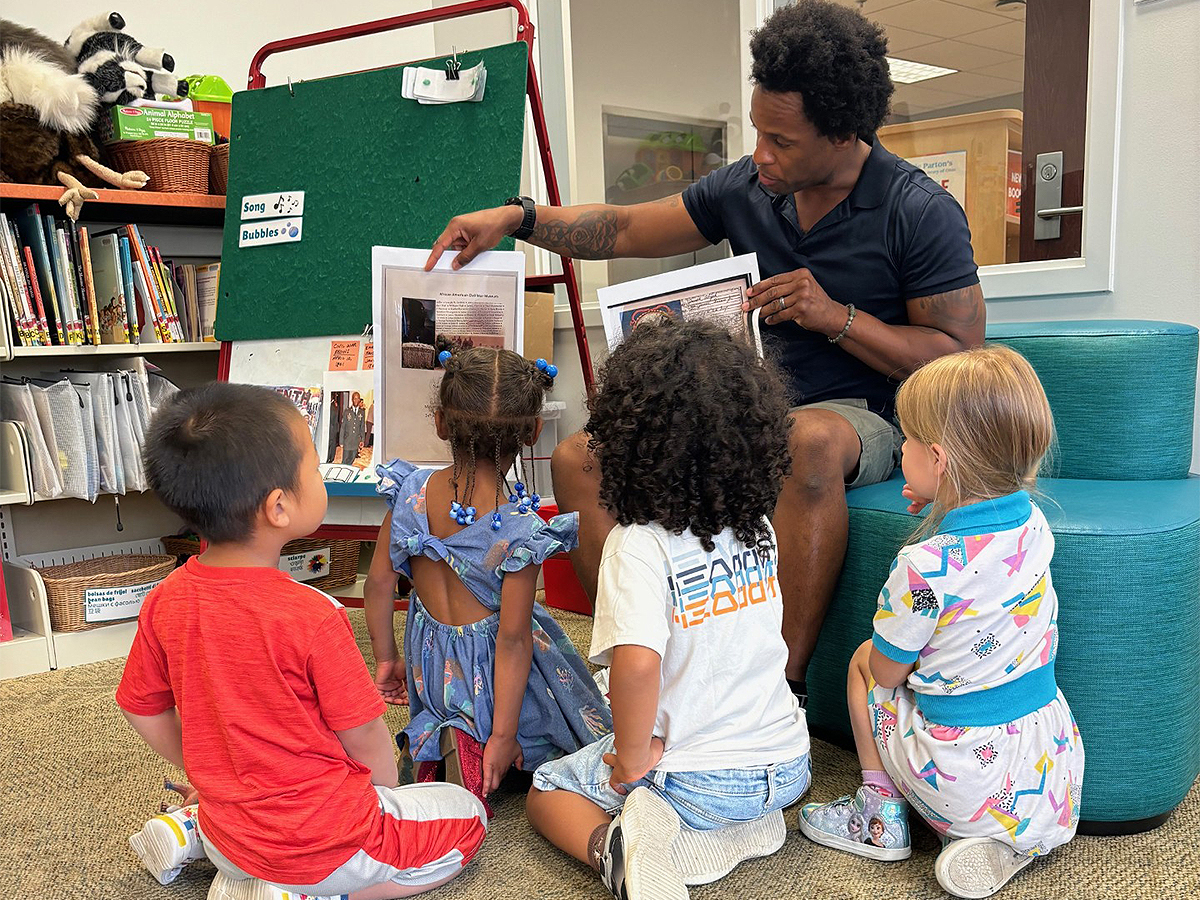
The Crane Center for Early Childhood Research and Policy and the Schoenbaum Family Center celebrate the Black contributions and rich culture that are interwoven into our day-to-day work in early childhood education. From early trailblazers in the field to today’s researchers who strive to ensure opportunities are available for all students, and from authors who reflect Black children’s experiences in their books for young readers, to the school libraries and community programs that promote these works, we recognize and celebrate all Black History — both in the past and in the making.
Black History Month also reminds us of our commitment to promoting opportunity across early childhood research, practice, and policy. Central to this is how we conduct activities happening daily across our centers, whether in conversations with a parent and a teacher during drop-off at our A. Sophie Rogers School for Early Learning, by ensuring our research is relevant and applicable to the communities we aim to serve, or through the professional development opportunities offered to our staff. Black History Month is indeed a celebration but also a call to embrace education and awareness.